
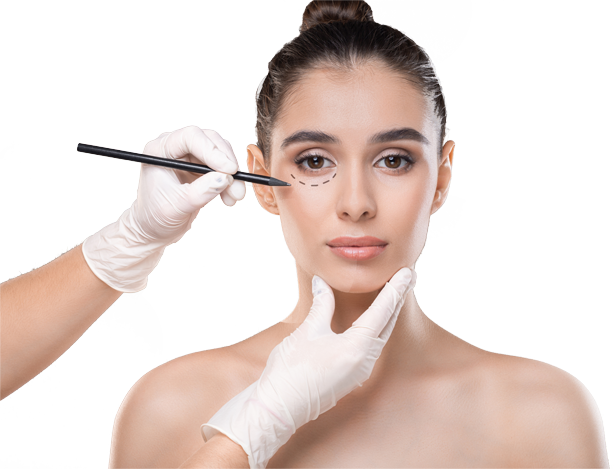


Hair fall may begin with just a few extra strands on your pillow or in the shower, but over time, it can progress into noticeable thinning and reduced hair density. According to experts at SK Truderma, early diagnosis and timely treatment are extremely important for maintaining healthy hair growth. People searching for trusted Haircare Clinics in Gunjur Road often delay consultation until the hair loss becomes severe, but early medical intervention can help slow the progression and improve scalp health significantly.
At SK Truderma, advanced scalp analysis and personalized treatment plans are designed to identify the root cause of hair thinning and provide targeted solutions for healthier, stronger-looking hair.
Why Early Hair Loss Treatment Matters
Hair loss is not just a cosmetic concern. It may indicate underlying scalp conditions, hormonal imbalance, nutritional deficiencies, stress, or hereditary factors. When hair follicles become weak over time, restoring hair growth becomes more challenging.
Early signs of hair loss include:
- Excessive hair shedding during combing or washing
- Thinning near the crown or hairline
- Increased scalp visibility
- Reduced hair volume
- Hair breakage and weak strands
- Itchy scalp or dandruff associated with hair fall
Visiting experienced dermatologists at reliable Haircare Clinics in Gunjur Road can help detect these issues early and improve treatment outcomes.
Common Causes of Hair Loss
Hair fall can occur due to several reasons, and identifying the cause is essential before starting treatment.
● Genetic Hair Loss
Hereditary hair thinning, also known as androgenetic alopecia, is one of the most common causes of progressive hair loss in both men and women.
● Stress and Lifestyle Factors
High stress levels, poor sleep, unhealthy diet, and lack of proper hair care may contribute to excessive shedding.
● Hormonal Changes
Conditions such as thyroid disorders, PCOS, pregnancy-related hormonal fluctuations, and menopause can affect hair growth cycles.
● Nutritional Deficiencies
Low iron, vitamin D deficiency, inadequate protein intake, and poor nutrition can weaken hair roots.
● Scalp Conditions
Dandruff, fungal infections, psoriasis, and scalp inflammation can damage follicles if left untreated.
Advanced Hair Loss Treatments Available
Modern dermatology offers several effective treatment options to manage hair fall and support hair regrowth.
● PRP Therapy for Hair Loss
Platelet-Rich Plasma (PRP) therapy uses growth factors derived from the patient’s own blood to stimulate dormant hair follicles and improve hair density.
● FUE Hair Transplant
Follicular Unit Extraction (FUE) is an advanced hair transplant procedure where individual follicles are transplanted into thinning or bald areas for natural-looking results.
● Laser Hair Therapy
Low-level laser therapy may help improve scalp circulation and support healthier hair growth.
● Scalp Analysis and Personalized Care
Detailed scalp evaluation helps dermatologists understand follicle health, scalp condition, and the severity of hair loss before recommending treatment.
Many people visiting Haircare Clinics in Gunjur Road now prefer customized treatment plans because every scalp condition is different and requires individualized care.
When Should You Consult a Dermatologist?
You should seek professional advice if you notice:
- Sudden increase in hair fall
- Receding hairline
- Bald patches
- Persistent thinning
- Itchy or flaky scalp
- Hair loss lasting several weeks
- Family history of hair thinning
Early diagnosis may help preserve healthy follicles and improve the effectiveness of treatment.
FAQs – Hair Loss & Hair Treatments
1. What causes sudden hair fall?
Sudden hair loss can occur due to stress, nutritional deficiencies, hormonal imbalance, scalp infections, illness, or genetics.
In many cases, early treatment can help slow hair loss and improve hair growth depending on the cause and scalp condition.
3. Is PRP therapy effective for hair loss?
PRP therapy is widely used to stimulate hair follicles and support healthier hair growth in suitable candidates.
4. How do dermatologists diagnose hair thinning?
Dermatologists use scalp analysis, medical history evaluation, and sometimes blood tests to identify the underlying cause of hair loss.
5. What is FUE hair transplant treatment?
FUE Hair Transplant involves extracting individual hair follicles and transplanting them into thinning areas for natural-looking hair restoration
Conclusion:
Hair loss can affect confidence and emotional well-being, but early treatment and professional guidance can make a significant difference. Identifying the root cause of hair thinning at the right time allows dermatologists to recommend targeted solutions that support healthier hair growth and scalp health.
At SK Truderma, patients receive advanced scalp analysis, modern hair restoration treatments, and customized care plans designed to improve long-term hair health. If you are noticing excessive hair fall or visible thinning, consulting experienced specialists at trusted Haircare Clinics in Gunjur Road may help you take the first step toward healthier, fuller-looking hair.